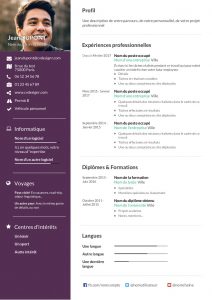
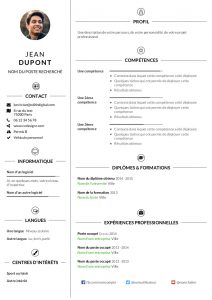
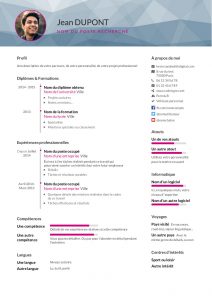
There is no single CV structure that works equally well for every candidate. Your experience, career direction and the role you want should guide the format. Three common approaches are reverse chronological, skills-based and combination CVs.
1. Reverse-chronological CV
This is the most familiar structure for many UK recruiters. List your most recent job first and work backwards, giving the employer a clear view of your career development. Include a concise professional profile, work experience, relevant achievements, qualifications and skills.
Best suited to: candidates with an established work history, a reasonably clear professional progression or roles where recent experience is particularly important.
Advantages: straightforward to read, makes job dates easy to verify and helps recruiters see where you have used relevant skills.
Considerations: significant career changes or periods outside paid employment may need additional explanation, but those circumstances do not automatically make this format unsuitable.
2. Skills-based or functional CV
This format places a greater emphasis on transferable skills and examples grouped by competence rather than presenting every role in detail at the outset.
Best suited to: some career changers, candidates with varied experience or people who want to demonstrate a particular range of capabilities.
Advantages: can help readers see useful strengths from different parts of your experience.
Considerations: some recruiters and applicant tracking systems find a purely functional CV harder to interpret when employment dates and responsibilities are not clear. Include an accurate work-history section.
3. Combination or hybrid CV
A combination CV opens with a focused skills and achievements summary, followed by a chronological employment section. It balances transferable strengths with a transparent record of where you gained them.
Best suited to: people with substantial experience, candidates moving between sectors or applicants whose specialist skills are central to the vacancy.
Advantages: shows key capabilities quickly while retaining the chronology recruiters expect.
How to choose
Look at the job advert and decide what the employer needs to understand first. Whatever format you select, give clear dates, accurate examples, readable headings and a design that works for human readers and recruitment software. You can test formats using CVDesignR.