Writing your first CV is not always easy. Students may have little paid experience and worry that their CV looks empty. Yet academic projects, volunteering, part-time jobs and personal achievements can give employers useful evidence of your potential.
Start with relevant skills
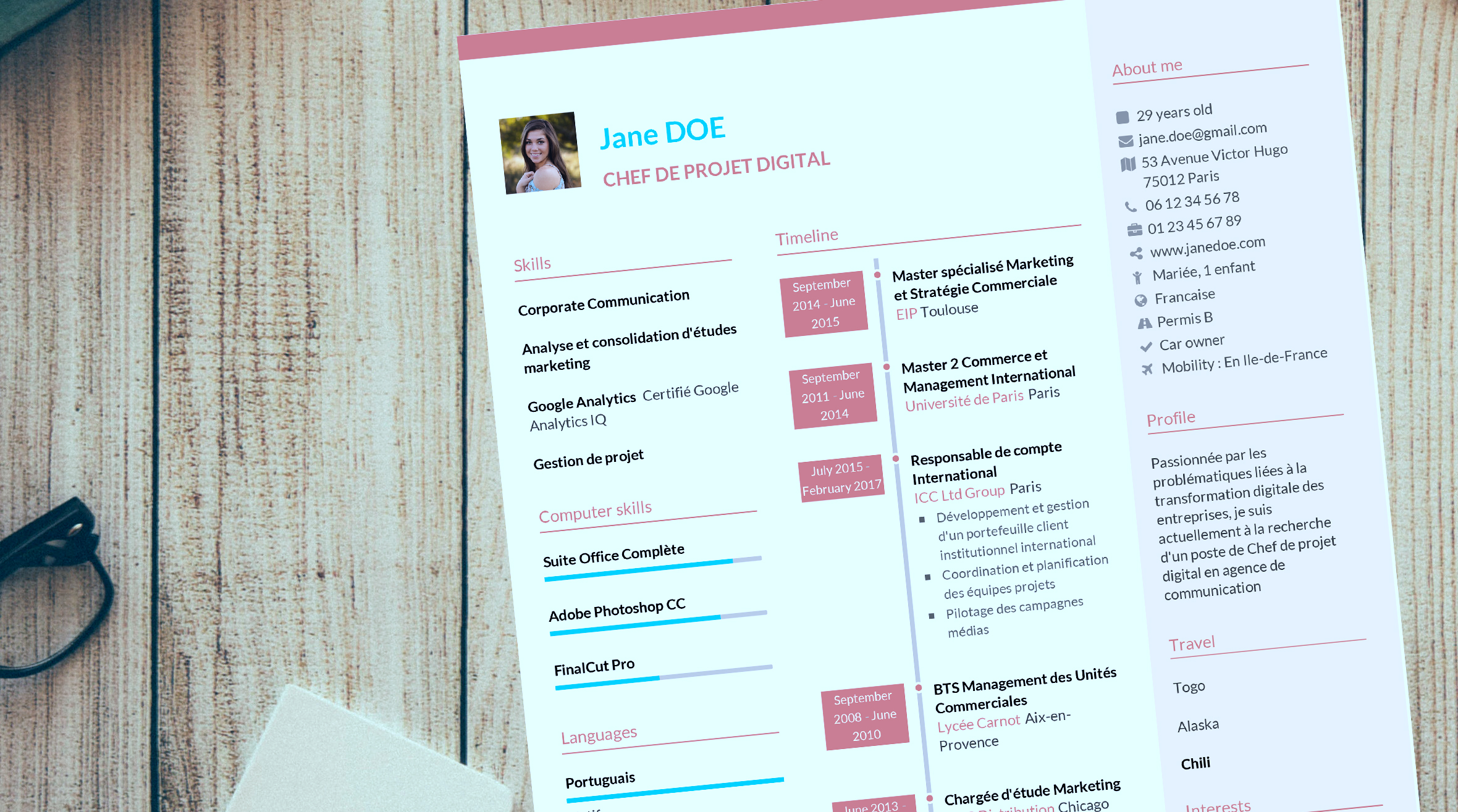
Think about what the job requires and which abilities you already use. These might include customer service, digital tools, languages, organisation, teamwork or problem-solving. Give evidence where possible: a group assignment, club responsibility or event you helped organise is more persuasive than a long list of adjectives.
Show your education clearly
List your current qualification or degree, institution and expected completion date. Mention relevant modules, coursework, projects or academic achievements when they add value for the role. Keep less relevant school details brief.
Include any professional experience
Part-time work, seasonal jobs, internships, placements and temporary contracts are all worth considering. Describe what you did and what you learned, using action verbs and practical examples rather than only job titles.
Do not overlook personal projects
Volunteering, community activity, student societies, competitions and independent projects can demonstrate initiative and responsibility. Explain your contribution, especially if you organised people, solved a problem or produced a tangible result.
Choose useful interests
An interests section is optional, but specific hobbies may illustrate commitment or transferable skills. Avoid generic phrases that tell the recruiter very little about you.
Add a clear CV headline
Help employers understand your objective at once. 'Marketing student seeking a summer placement' is more informative than simply 'Student'. Adapt the headline and introductory profile for each opportunity.
Keep the design professional
Use clear headings, consistent fonts and restrained colours. Check readability on mobile and desktop, proofread carefully and follow the employer's requested file format. A UK student CV does not normally need a photograph.
What matters most is not how long you have worked, but how clearly you show the skills, motivation and experience you already possess.