CV = selection + hierarchy.
The best CV is not the one with the most information, but the one that makes the most useful information for the application easy to see.
Understand the essentials before writing
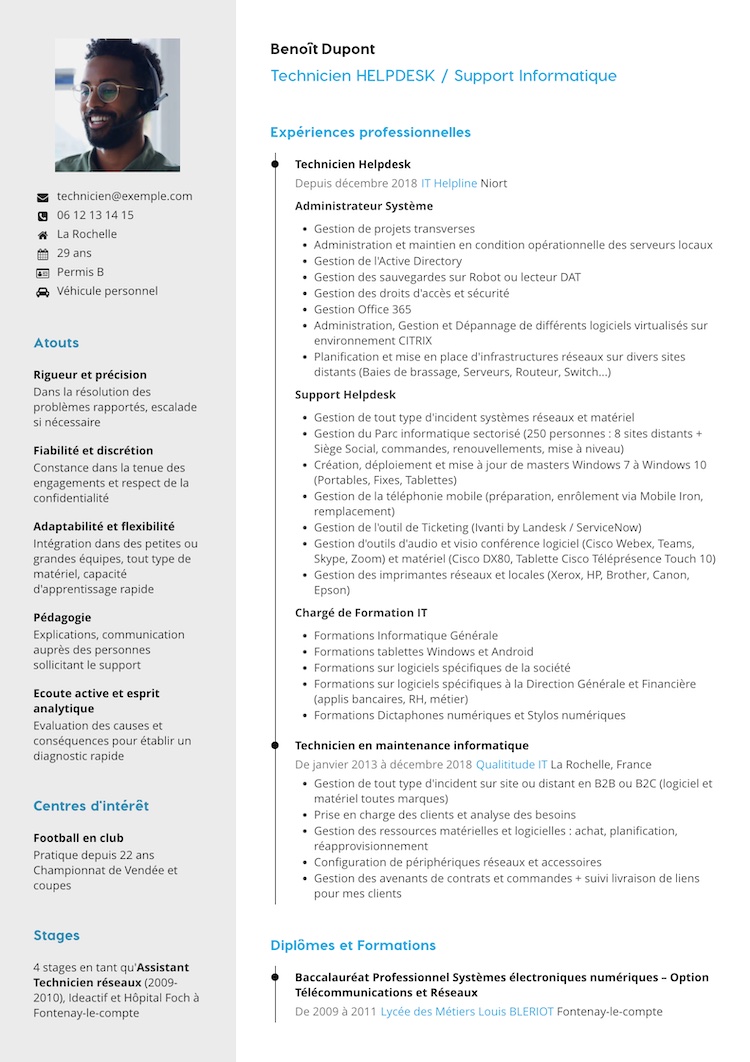
Your curriculum vitae has to tell the story of your background in very little space. The content selects the information that proves your fit for the role, while the presentation makes it easy to read and remember.
Do you know the definition?
CV content
What order should you use?
There is no single order that works for every candidate. A recent graduate may benefit from placing education near the top, while an experienced professional will often highlight recent roles first.
The most useful rule is simple: start with what helps the reader understand your application fastest. A recruiter should be able to identify your objective, level of experience and key strengths without searching for them.
Write stronger content
CV format
| Format | Benefit | Watch out for |
|---|---|---|
| Preserves the layout and is easy to share. | Check text readability and file size. | |
| DOC/DOCX | May be requested by some recruiters or systems. | The layout can vary depending on the software. |
| Image | Useful for some visual purposes. | Avoid using it as the main format when the text needs to be parsed or searched. |
CV presentation
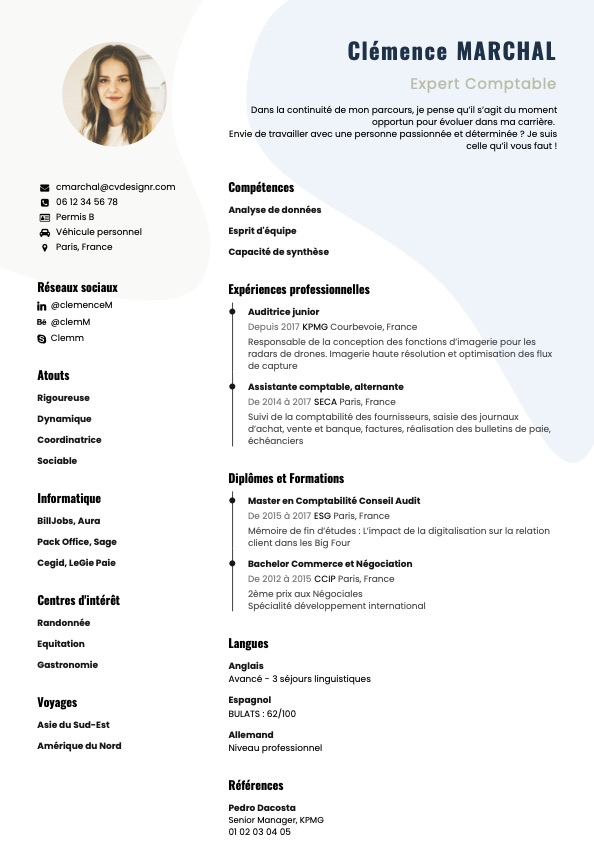
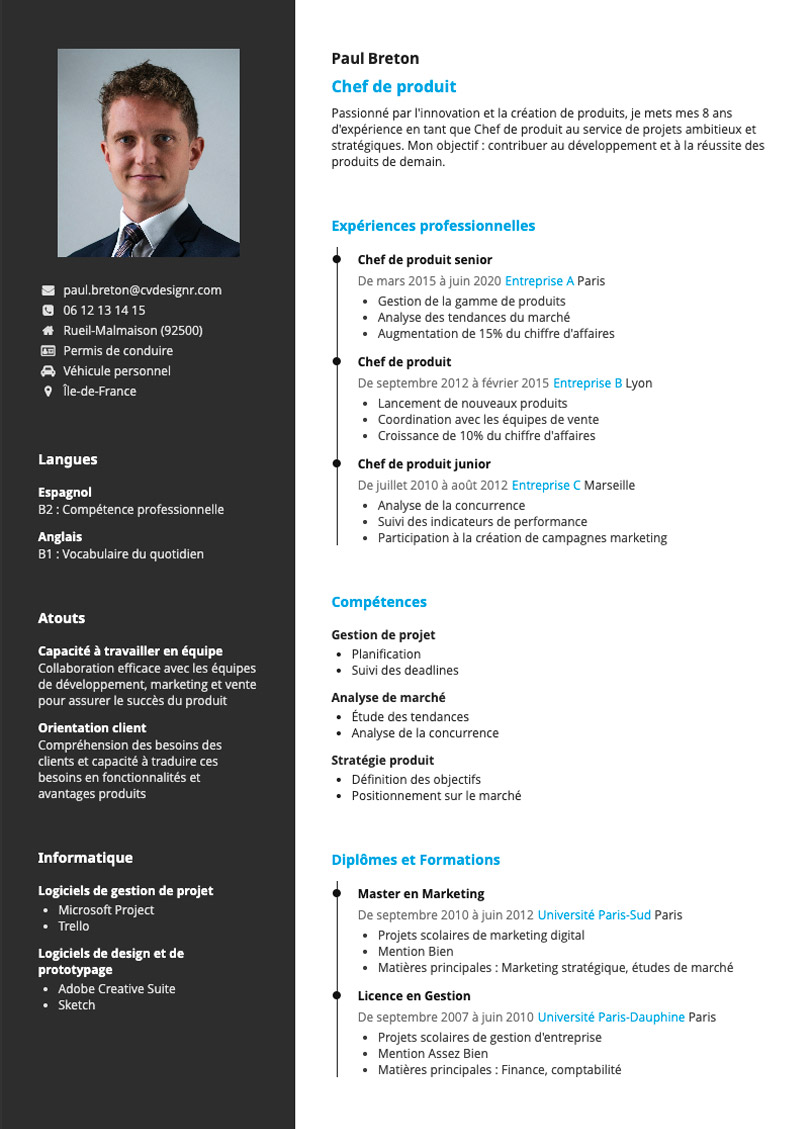
Layout creates the first impression, but its main purpose is to guide the reader. Consistent section headings, regular margins, readable typography and enough spacing make a CV easier to scan.
Color can help structure the document and give it a visual identity, but it does not need to dominate. A simple CV can still be memorable when the hierarchy is clear and the content is relevant.
The best test is a quick scan: within a few seconds, someone should be able to spot your target role, recent experience, strongest skills and contact details.
Create a targeted CV
What can get your application rejected
Curriculum Vitae FAQ