After reviewing many CVs and speaking to jobseekers at careers events, the CVDesignR team has seen one recurring challenge: candidates often struggle to make their strengths visible. Relevant experience is useful, but it only helps when an employer can understand its value quickly.
What makes a CV effective?
A recruiter should be able to identify the role you want, your relevant skills and your strongest evidence without hunting through dense paragraphs. A good CV is not a complete autobiography. It is a clear and truthful presentation of why you fit a particular vacancy.
1. Use a clear professional headline
Put your target job title near the top, under your name. 'Junior Marketing Analyst' tells the reader more than 'Looking for an exciting opportunity'. Tailor the headline to the vacancy without claiming a qualification or seniority you do not possess.
2. Remove information that is not relevant
Choose the experiences, qualifications and achievements that support your application. Earlier roles may need only a short description, while the most relevant work deserves more detail. In the UK, personal details such as marital status or a photograph are normally unnecessary.
3. Eliminate spelling and typing mistakes
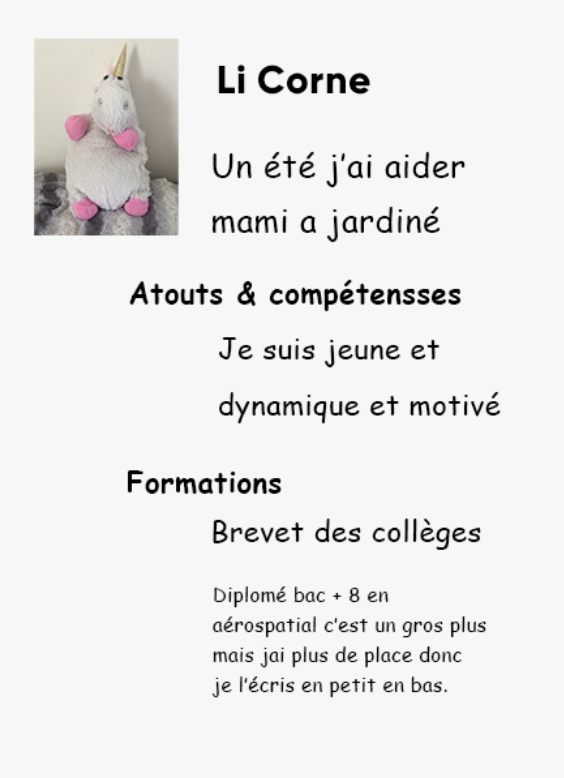
Check names, dates, tools and job titles. Read the CV aloud, use a spelling checker and ask someone else to review it. Correct grammar demonstrates care and keeps the focus on your experience.
4. Explain experience, education and skills properly
Vague descriptions such as 'handled administration' tell a recruiter very little. State the work, the context and the outcome: 'Coordinated weekly reporting for a 12-person sales team'. Include measurable results when they are accurate and meaningful.
5. Identify your relevant transferable skills
Employers value communication, initiative, organisation and problem-solving, but these qualities need evidence. Describe a situation in which you demonstrated the skill instead of simply listing adjectives.
6. Put the strongest information first
Order sections according to what is most persuasive for the target role. Experienced candidates often lead with recent work; students may foreground education, projects or placements. Use consistent headings, spacing and a readable layout.
7. Think carefully about photographs
For most UK applications, a CV does not need a photograph. In countries or occupations where one is expected, choose an appropriate professional image and avoid distracting filters or casual snapshots.
Before you send the CV
Compare it with the job description. Can someone recognise your relevant experience in seconds? Is every claim accurate? Can recruitment software extract the text? If so, you have given your application a much stronger foundation.