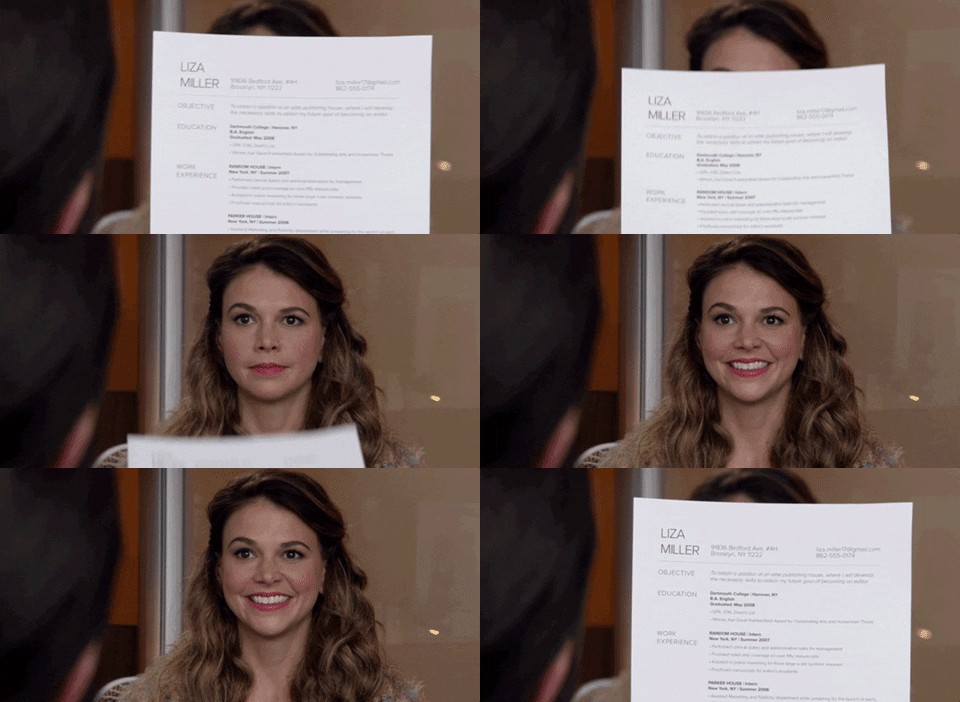
Finding a placement can be challenging when you have little professional experience. Yet employers often recruit students precisely because they are learning. A well-prepared search helps you focus on placements where you can use your knowledge and develop new skills.
1. Improve your CV and cover letter
Begin with a clear, accurate CV that highlights education, projects, technical skills and any relevant experience. Structure the sections so employers can understand your strengths quickly. If you are applying for a particular placement, adapt the headline and examples to its requirements.
When a cover letter is requested, explain why you want that experience and what you hope to contribute. A specific project or interest is more convincing than a generic statement about being motivated.
2. Define your professional direction
Ask what kind of role would help you learn, which sector interests you and what practical constraints apply. Think about your available dates, location, required supervision and course objectives. Discuss your plan with a tutor or careers adviser if you are unsure.
3. Tell your network what you are looking for
Lecturers, alumni, classmates, former employers, professional contacts and family friends may know businesses that offer placements. Ask for information and introductions respectfully. A clear message about the type of experience you seek makes it easier for others to help.
4. Monitor internship vacancies
Use university careers services, specialised job boards, company websites and professional networks. Set alerts for relevant keywords, but do not rely only on advertisements. Some organisations may welcome a well-researched speculative enquiry.
Keep a spreadsheet or application tracker with company names, contacts, dates, deadlines and next steps.
5. Attend careers fairs and events
Campus events, employer presentations, industry meetings and recruitment fairs are opportunities to understand what organisations need. Prepare a brief introduction, bring your CV and follow up on conversations afterwards.
Throughout the search, stay organised and adapt your approach using feedback. A good placement should offer meaningful learning as well as a realistic contribution to the employer.