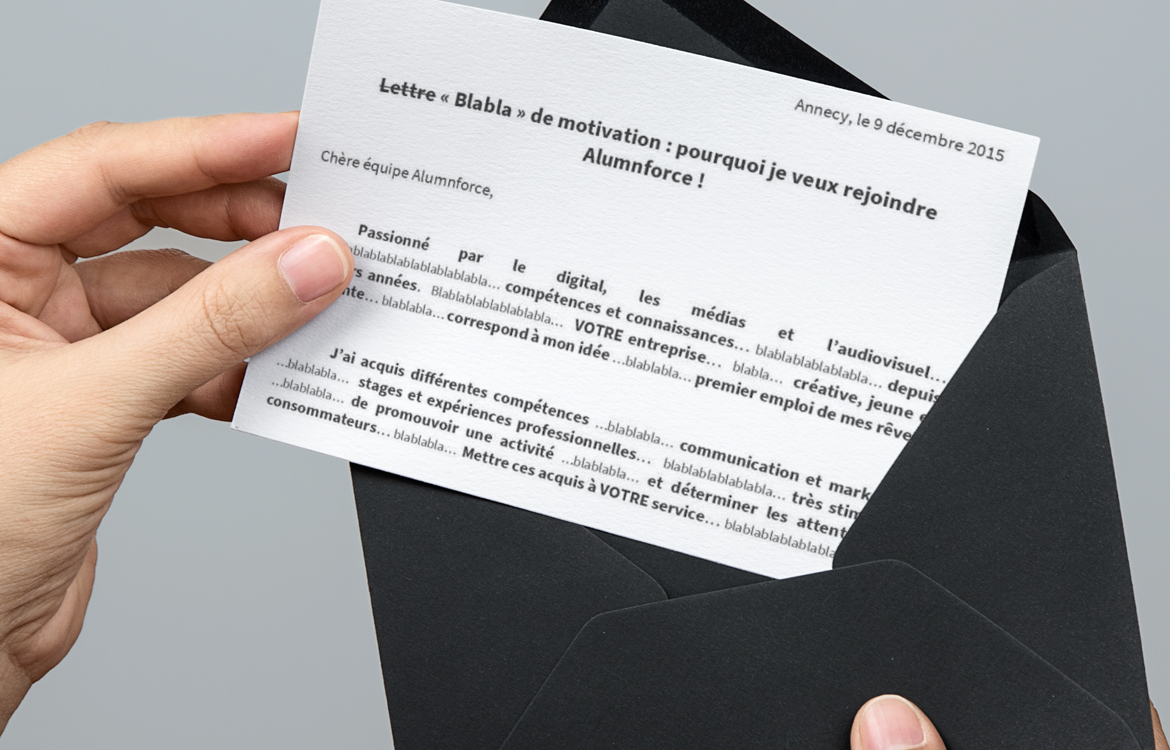
When an employer asks you to explain why you want to join the company, they are not asking for the same paragraph you have sent to dozens of unrelated organisations. A generic cover letter is unlikely to explain your motivation or why your skills are a good match.
Why a copied letter may go unanswered
Recruiters recognise vague phrases that could apply to any employer. If you send identical wording for a retail role and a software role, the reader may reasonably wonder whether you have thought about either opportunity.
Personalisation does not require a completely new essay every time. It means taking a little time to understand the job and connecting the employer's needs with your own experience.
Three ways to tailor your message
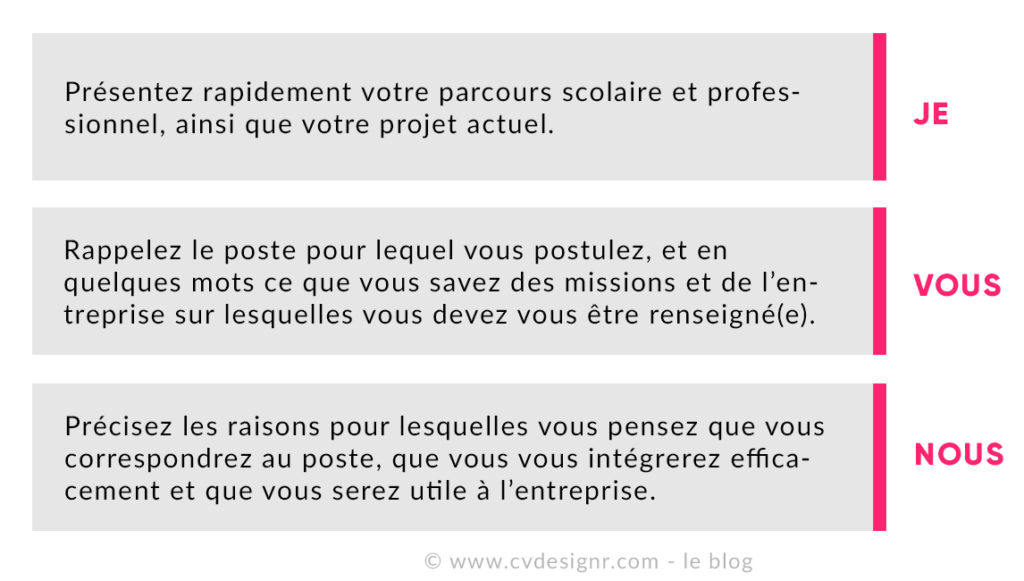
1. Build it around 'me, you and us'
Me: introduce your relevant background and what you can bring. You: show that you understand the organisation, its activity or the vacancy. Us: explain what you could achieve together and why the match makes sense.
For example, mention a specific project, product, customer group or working approach that genuinely interests you. Then link it to a skill or achievement you can demonstrate.
2. Adapt the details to the position
Read the job description carefully and identify the responsibilities that matter most. Choose one or two relevant examples from your experience. Do not list every quality you possess; give the employer evidence that you could handle the work.
Match the level of formality and the vocabulary of the industry while keeping your own voice. Check that you have the correct company name, job title and recipient.
3. Be sincere rather than overenthusiastic
Exaggerated praise or dramatic declarations of passion can sound unconvincing. Specific interest is stronger than flattery. Be straightforward about what attracts you and what you hope to contribute.
Before sending the letter, ask yourself: could I send exactly this text to another company without changing anything? If the answer is yes, make it more specific. A clear, honest and tailored application is much more useful to a recruiter.