Once you have prepared a convincing CV, your next step may be writing a cover letter. A good letter adds context to your application and explains why the particular employer and role interest you.
1. Keep it concise
A cover letter should be direct and easy to read. In most cases, one page is enough. Recruiters often review many applications, so focus on relevant evidence and avoid repeating your entire CV. A short, specific letter is usually more persuasive than a long generic one.
2. Use a clear structure
A straightforward approach is to divide the main text into three parts. First, explain why the company and vacancy have attracted your attention. Second, show how your skills and experience match the requirements, using a concrete example. Third, explain the contribution you hope to make and invite the reader to discuss your application.
Include a professional greeting and closing, and make the letter easy to skim with short paragraphs.
3. Address the company appropriately
If you know the hiring manager's name and correct title, use them. Otherwise, a polite neutral greeting is better than guessing. Research the organisation and its work so your letter shows genuine interest rather than generic flattery.
4. Explain what you can offer
Talk about achievements, skills and motivations that matter for this specific job. Avoid unsupported claims such as being 'dynamic' or 'hard-working' without an example. Show what you did, why it mattered and how that experience could help the employer.
5. Check spelling and presentation
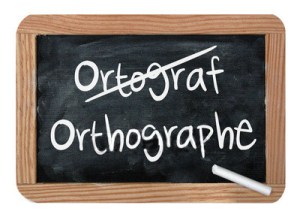
Proofread every sentence, especially the company's name and the job title. Check grammar, punctuation and formatting. Reading aloud can help catch awkward wording; asking someone else to review the letter can help too.
Above all, adapt each cover letter rather than copying the same text into every application. The employer should understand both why you want this role and why you would be a good fit.