Career changes, job-search setbacks and uncertain economic conditions can make it difficult to know what to do next. The original article was written during the COVID-era disruption, but its central message remains useful: pause long enough to understand your goals, then take deliberate action.
1. Ask yourself the right questions
Begin by reviewing what matters to you at work. Which responsibilities do you enjoy? When do you feel competent and useful? What type of team, organisation or working pattern suits you? Are there skills you want to develop or conditions you want to avoid?
Write your answers without judging them. This helps distinguish your own priorities from what you think you 'should' want. Turn the clearest ideas into possible roles or professional directions to investigate.
2. Recognise and manage your emotions
Frustration, disappointment, anger and anxiety can follow a rejection, difficult working relationship or unexpected change. Naming how you feel can help you choose a constructive response rather than reacting automatically.
Give yourself space to reflect, speak with a trusted person when useful and focus on practical next steps. You do not have to eliminate every uncomfortable emotion before acting. If distress is persistent or overwhelming, qualified support may be helpful.
3. Strengthen confidence and self-esteem
Confidence is easier to rebuild when you look at evidence. List achievements, challenges you overcame, skills gained and positive feedback you received. Include examples from outside paid work if they show relevant strengths.
Set achievable goals, such as rewriting one CV section, contacting a professional or completing a useful course. Small successes can help restore a sense of progress.
4. Explore what gives your work meaning
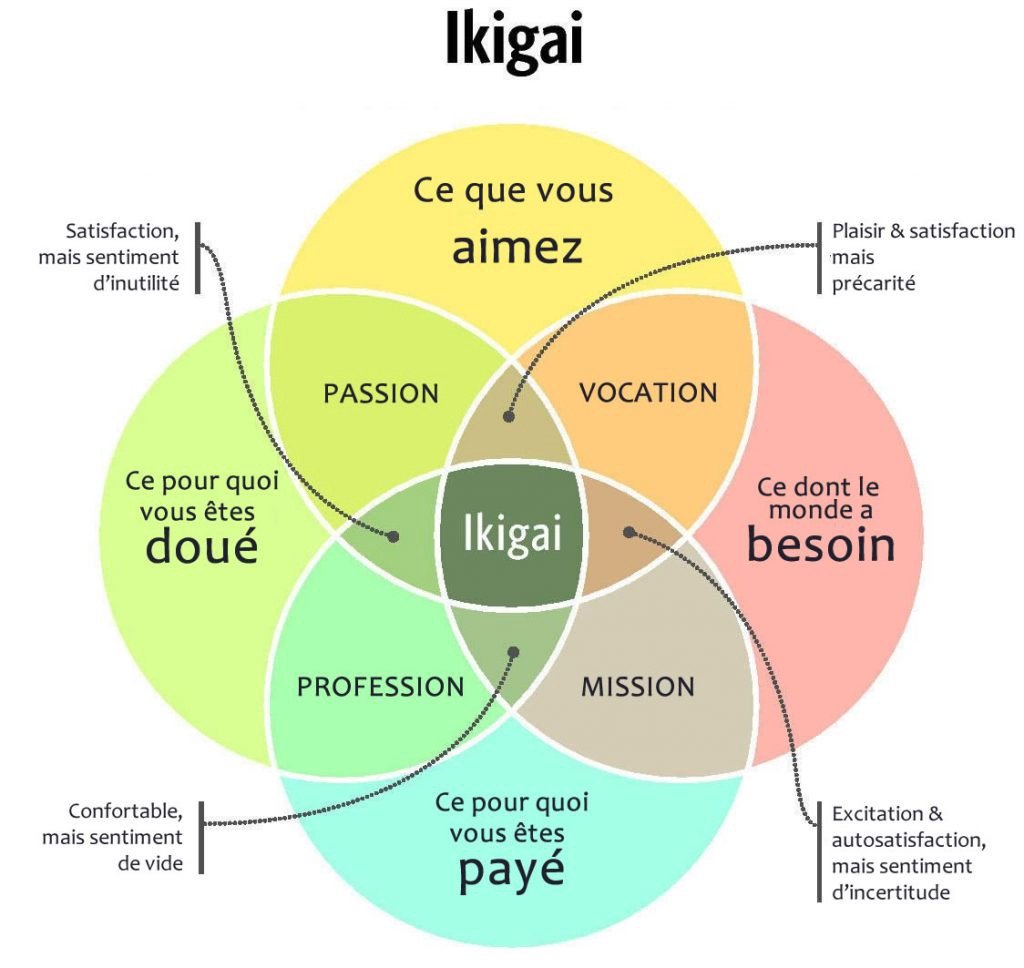
The Japanese concept of ikigai is often used in career reflection to encourage people to consider the activities they value, their strengths and how they wish to contribute. You can use it as a prompt rather than as a rigid formula for finding a 'perfect' job.
Compare your interests and abilities with realistic opportunities. Seek information from people already in the field, test ideas through projects or volunteering and consider training where it serves a clear goal.
Taking control of your career is not about predicting every outcome. It is about understanding your priorities and giving yourself more options through deliberate, sustainable action.