Once your dissertation, placement report or project is finished, it is time to prepare for the oral assessment. You may be presenting to one examiner or to a panel of academics and industry professionals. Good preparation can turn an intimidating experience into an opportunity to demonstrate what you have learned.
Prepare useful visual support
A slide deck can help you explain your work, but it should not become a script. Keep each slide focused on a main idea, use readable text and illustrate important points with simple charts, diagrams or examples. Avoid filling slides with paragraphs that your assessors could read without you.
Structure the presentation around the research question, the approach you took, your principal findings and the conclusion. Make the transition between sections clear and practise explaining any specialist vocabulary.
Work on how you speak
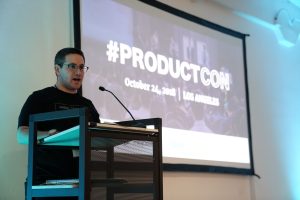
Practise the presentation aloud, ideally in front of someone who can offer constructive feedback. Speak clearly at a measured pace, look up from your notes and make eye contact with different members of the panel. Stand or sit comfortably and use your hands naturally rather than forcing gestures.
Time your rehearsal. If your allotted slot is short, prioritise findings and analysis rather than spending most of the time describing background information. Prepare for follow-up questions about your choices, results and limitations.
Manage presentation nerves
Feeling nervous is normal. Arrive early, check the projector and your files, and have a backup copy of the presentation. A few slow breaths before speaking can help you settle. If you lose your place, pause briefly and return to the next point; you do not have to be word-perfect.
Listen fully to questions before answering. It is better to acknowledge a limitation or ask for clarification than to invent an answer. Your panel wants to see that you understand your project and can discuss it thoughtfully.
End with a concise conclusion and thank the assessors for their attention.