Electrician Career Guide: Duties, Qualifications and CV

Electricians install, maintain and repair electrical systems in homes, commercial buildings and industrial environments. Explore installation work, safe isolation, inspection, technical skills, training pathways and how to prepare a strong electrician CV.
Electrician at work

CV examples for construction and electrical services

Search for the role that suits you

Explore related career guides

Compare responsibilities, skills, working conditions and qualifications across different jobs.

What does a electrician do? Electrician

Electricians install, maintain, test and repair wiring, lighting, distribution equipment and other electrical systems. The work depends on the industry and the worker's training and competence.
Installations may be domestic, commercial or industrial. Electricians interpret drawings, plan safe work, identify faults and document completed jobs.
Safety is essential. Responsibilities around inspection, verification and energising systems depend on appropriate competence, supervision, regulations and employer procedures.

Installation

Install wiring, accessories, lighting and distribution systems.

Fault-finding

Identify defects using correct methods and measuring equipment.

Maintenance

Carry out planned and reactive electrical maintenance.

Safe practice

Follow isolation, risk assessment and site safety procedures.

Connect equipment safely

Carry out wiring and connections within your level of competence.

Inspect and test

Use appropriate procedures and instruments within your qualifications.

Diagnose defects

Identify electrical faults and repair authorised components.

Document work

Maintain accurate job reports and testing records.

CV writing tip

Tailor your CV to the electrician role. Show examples of construction and electrical services responsibilities, relevant tools, qualifications and genuine achievements. Explore our Electrician CV example.

Day-to-day responsibilities

What are the main duties of a electrician?

Tasks vary between employers and levels of experience. These are common examples:
Typical responsibilities
Read electrical drawings and specificationsPrepare installation routes and cable containmentInstall wiring, lighting, sockets and accessoriesCarry out safe isolation before workDiagnose and repair electrical faultsInspect and test within professional competenceMaintain equipment and complete work recordsCoordinate safely with other site tradesRecord electrical work and inspection resultsComplete maintenance reports and handovers

Technical ability and professional behaviour

Which skills and qualities are most important?

Technical skills: wiring, installations, circuits, fault-finding, testing and maintenance. List only the work you are competent and authorised to perform.
Electrical safety: safe isolation, risk assessment, appropriate instruments and compliance with relevant UK regulations and site procedures.
Professional qualities: attention to detail, problem-solving, teamwork, reliable documentation and clear communication with clients and colleagues.

Create a stronger electrician CV

Use a clear CV structure to highlight your skills, training, experience and achievements. Start with our profession-specific CV example.

Routes into the profession

What training and qualifications do you need?

Common UK routes involve an electrical apprenticeship and recognised electrotechnical qualifications. The exact requirements depend on the work and the advertised role.
Job adverts may refer to an NVQ Level 3, BS 7671 (18th Edition), inspection-and-testing qualifications or ECS card. These credentials are different and must not be claimed unless held.
Electricians trained abroad should check how their qualification and competence are assessed for UK work before claiming equivalence or site eligibility.
Safe practice and risk control are part of electrical training and site procedures.
List specialist qualifications only where relevant and actually held.

What to expect at work

Working conditions and typical workplaces working conditions

The work environment and schedule vary by employer. Check the vacancy for exact conditions.
  • Construction sites, homes, offices or industrial facilities

  • Use of hand tools, test instruments and PPE

  • Physical work including ladders or restricted spaces

  • Travel between sites or customer premises

  • Potential on-call work in maintenance positions

  • Strict safe isolation and risk assessment procedures

  • Teamworking with technicians and other trades
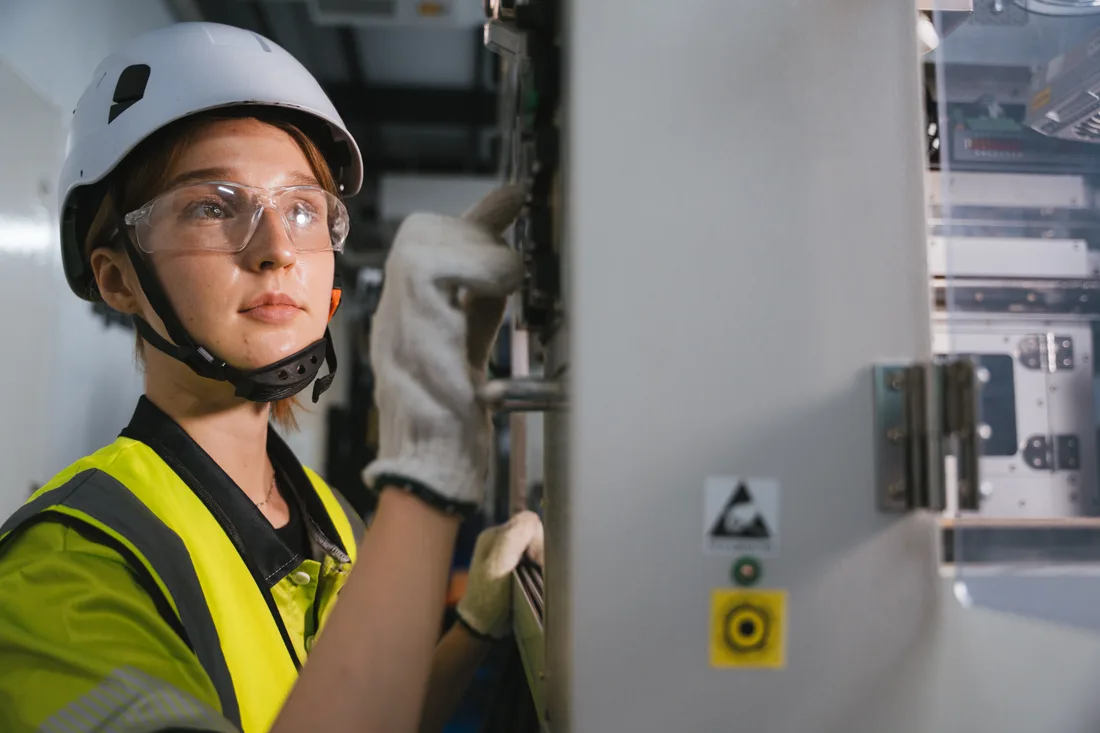
A electrician working environment

CV tips and practical examples

How do you write an effective electrician CV?

A strong application highlights relevant skills and responsibilities with specific, truthful examples.

State your specialism

Describe domestic, commercial or industrial work.

Mention relevant projects

Give specific electrical systems and responsibilities.

List real qualifications

State exact certifications without implying equivalence.

Show safe working practice

Demonstrate isolation and risk control.

Explain your equipment experience

Describe genuine use of appropriate electrical instruments.

Keep terminology precise

Use clear descriptions of tasks and outcomes.

Include verifiable outcomes

Describe the type and results of work where evidence exists.

Tailor to the vacancy

Prioritise relevant electrical work and the advertised requirements.

FAQs about becoming a electrician

Practical answers about duties, skills, qualifications, experience and CV writing.

What work does an electrician do?

Electricians install, inspect, maintain and repair electrical systems according to their training and competence.

Do I need an 18th Edition qualification?

Requirements vary by position. Include BS 7671 training only if you have the relevant credential and check the job advert.

Can I work in the UK with qualifications from abroad?

Recognition and competence requirements vary. Check the relevant assessment and employer requirements before applying.

How do I enter this profession?

Check the advertised entry requirements, relevant training and opportunities for supervised work or apprenticeships.

Can I start without direct experience?

Some employers offer entry-level positions. Emphasise transferable skills, accurate qualifications and any supervised placements.

Where could I work?

Roles exist across construction and electrical services settings, with exact responsibilities depending on the organisation.

What working hours should I expect?

Hours vary by employer and may include shifts or weekends, depending on the setting.

What personal qualities matter?

Reliability, organisation, communication and a responsible approach to the duties are valuable. Use practical examples.

How should I describe experience on my CV?

Use concise descriptions of duties, systems and achievements that genuinely match your experience.

What qualifications should I list?

Include your real qualifications and completed training. Check UK requirements rather than assuming overseas credentials are automatically equivalent.

How can I prepare for an interview?

Review the job advert, research the employer and prepare specific examples of your responsibilities and problem-solving.

What career progression is possible?

Qualified electricians may become supervisors, electrical maintenance specialists, inspectors or site managers after gaining appropriate experience and credentials.

Where can I find a CV example?

Visit our electrician CV example for a clear structure, relevant skills and practical writing advice.